What makes a Detroit beat sound like Detroit and how do you use one?
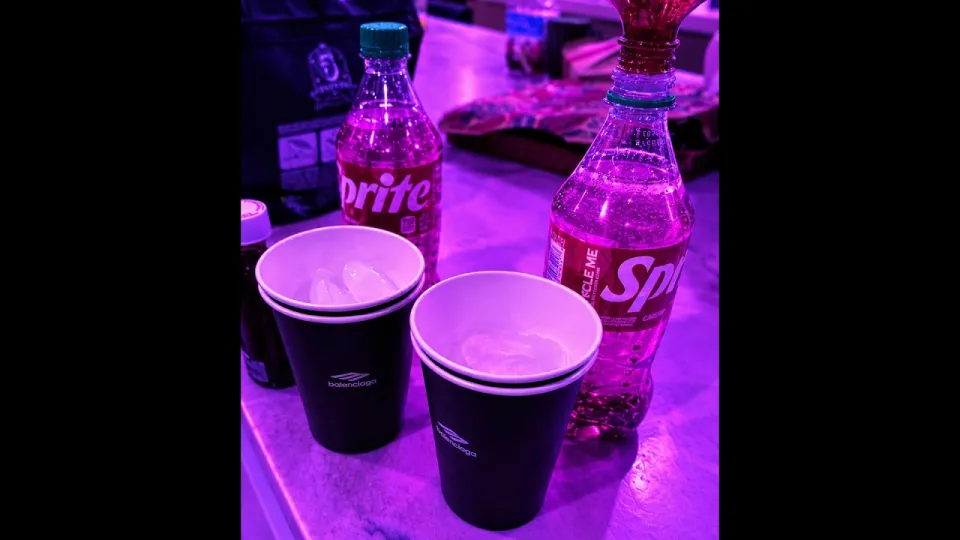
Video: [FREE] Freestyle Detroit Sample Type Beat - "BLACK CUP" | Trap Instrumental 2026
You can order the same kind of articles for your own video to boost it on YouTube and Google. Just message the Telegram bot @sat_sit_bot. It writes articles around your video, embeds the video and publishes them on popular niche websites (no ads). Free trial — 50 articles.
· based on the channel Drezly
A Detroit beat is a trap instrumental built from a chopped sample — usually soul, funk, gospel or a dusty vocal loop — set against sparse, punchy drums and a heavy 808 bass that slides between notes. The style borrows its name from the Detroit rap scene and its texture from sample-heavy boom bap, then pushes both through modern trap drum programming. A current example is "BLACK CUP," a free freestyle Detroit sample type beat from producer Drezly, available as an untagged high-quality file through the BeatStars purchase page.
What defines the Detroit beat sound
The Detroit beat is defined by the tension between an old, warm sample and a cold, modern low end. The loop usually comes first: a few bars of keys, strings, a guitar figure or a filtered vocal phrase, pitched and chopped so it repeats with small variations instead of looping flatly. Producers often leave the sample slightly dirty — vinyl noise, tape hiss, a room tail — and then place clean digital drums underneath it.
The drum kit is deliberately thin. Kicks are short and clicky, snares and claps sit dry and forward, hi-hats run in fast triplet or rolled patterns, and there is rarely much reverb on the drums themselves. That space is what lets the 808 carry the low end. In Detroit-style trap the bass is not just a kick replacement: it is a melodic instrument that glides between root notes, drops out for a bar and returns, which is why the sub line often feels like a second melody rather than a rhythm part.
Tempo is flexible but consistent. Most Detroit trap type beats sit between roughly 130 and 150 BPM, and many read as half-time, so a listener hears the groove at 65-75 BPM while the hi-hats still move at double speed. That half-time feel is the reason the style works equally well for aggressive freestyles and for slower, more melodic writing.
How "BLACK CUP" by Drezly fits the format
"BLACK CUP" is a freestyle-oriented Detroit sample type beat released by the Drezly channel as a trap instrumental. It follows the standard architecture of the style: a sampled loop sets the mood, the drums stay lean, and the 808 anchors the track while leaving room for a vocalist. The "freestyle" label matters — it signals that the arrangement keeps space open rather than packing the beat with drop-outs and switch-ups that fight a rapper's flow.
The producer's catalog is built around this lane. Drezly publishes type beats on BeatStars, sells untagged versions, and offers stems, exclusive licenses and custom work on request. Buyers who want the clean file can get it directly at https://bsta.rs/cgTWPW, where the store currently runs a buy two, get one free offer.
How to use a Detroit type beat legally
The license, not the sound, is where most people get into trouble. A free download is not the same as a free release, and the rules on this beat are specific:
- Non-monetized, non-profit use is allowed at no cost.
- Any use requires credit in the title in the form "Prod. Drezly."
- Uploading a song with the beat to digital streaming platforms requires a purchased license — otherwise the track gets taken down.
- Untagged, high-quality files come with a paid license; exclusive rights, track stems and custom beats are handled separately by direct message.
If the plan is a serious release — Spotify, Apple Music, YouTube Content ID, paid distribution — budget for the license before writing, not after. Retaking a mixed and mastered song because the beat was never cleared is far more expensive than the license itself.
Common questions about Detroit beats, answered
Two recurring debates come up around this style, and both have practical answers.
"The basslines all sound the same." This is the most common critique of any producer working one lane, and it is a fair one to check. Detroit trap leans on sliding 808 patterns, so producers reuse the same glide shapes because they work. The fix is variation in rhythm and register: moving the root, changing the note length, adding a short drop-out before the hook, or letting the sample carry a bar without bass at all. When auditioning a beat pack, listen for whether the low end changes between tracks — if it does not, the catalog will feel repetitive after three songs.
"Can I just rap over the free download?" Yes, for practice, demos, freestyles and non-profit uploads with the credit in place. No, for anything that generates revenue or goes to streaming services. The line is monetization, not audience size.
"What tempo should I write to?" Match the feel, not the number. If the beat reads half-time, write in double-time cadences or slow, spaced-out pockets — both work over the same 140 BPM grid.
"Does the sample matter for my vocals?" It does. A bright, busy loop pushes the vocal into a higher, more rhythmic register; a dark, filtered loop leaves room for a low, conversational delivery. "BLACK CUP" sits in the second category, which is why it is marketed for freestyles.
Picking the right Detroit beat for a release
Choosing a beat is a sequencing decision as much as a musical one. Start with the vocal: record a 30-second reference over three or four candidates and keep the one where the first take felt easiest. Check the arrangement for space — a beat that already has a lead melody, vocal chops and constant 808 movement leaves nothing for a rapper. Confirm the file quality and the license terms before falling in love with the track, and ask for stems if a mixing engineer will be involved; without them, the 808 and the sample are locked together in one stereo file.
For anyone building a catalog, the practical route is to license two beats and take the third free where the offer applies, then write and release consistently rather than sitting on a single instrumental.
Useful links
- Untagged high-quality purchase (buy 2 get 1 free): https://bsta.rs/cgTWPW
- Producer's store and full beat catalog: https://www.beatstars.com/drezly
- Instagram: https://www.instagram.com/drezlyy
- WhatsApp for licensing, stems and custom beats: https://bit.ly/3AiDL3K
Final thoughts on the Detroit beat format
The Detroit beat survives because it solves a simple problem: it gives a rapper a warm, memorable loop to ride and a clean low end that translates on phone speakers and in a car alike. "BLACK CUP" is a straightforward example of that formula — sample first, drums sparse, 808 melodic, arrangement left open for a freestyle. If the sound fits your writing, license the untagged file at https://bsta.rs/cgTWPW, keep the credit in the title for free use, and treat the license as part of the production budget. This breakdown was prepared by the Drezly channel, which produced the beat discussed here.
Key takeaways
- A Detroit beat is a sample-driven trap instrumental built on a chopped soul, funk or gospel loop, sparse drums and a heavy sliding 808 bass.
- Typical tempo sits around 130-150 BPM, often felt half-time, so the drums read as 65-75 BPM.
- "BLACK CUP" is a free freestyle Detroit sample type beat by producer Drezly, released as a 2026 trap instrumental.
- The free version is licensed for non-monetized, non-profit use only and requires a "Prod. Drezly" credit in the title.
- Uploading a song with the beat to streaming platforms requires a paid license; untagged files are sold via BeatStars with a buy 2 get 1 free offer.
Source: [FREE] Freestyle Detroit Sample Type Beat - "BLACK CUP" | Trap Instrumental 2026 · Markdown version
Questions & answers
Is the "BLACK CUP" Detroit beat really free?
It is free for non-monetized, non-profit use, provided the title credits "Prod. Drezly." Any release on digital streaming platforms requires a purchased license, otherwise the track will be taken down. Untagged high-quality files are sold through BeatStars.
What tempo and feel should I expect from a Detroit type beat?
Most Detroit trap instrumentals sit around 130-150 BPM but are felt half-time, so the groove reads closer to 65-75 BPM while the hi-hats move at double speed. Write to the feel rather than the number and the pocket will come naturally.
Why do so many Detroit beats use similar basslines?
Sliding 808 patterns are the signature of the style, so producers reuse the glide shapes that reliably work. Variety comes from changing note length, register and rhythm, or dropping the bass out for a bar to let the sample breathe.
Can I get stems or an exclusive license for this beat?
Yes. The producer handles exclusive licenses, track stems and custom beat requests by direct message via WhatsApp, and the full catalog with licensing options is listed on the BeatStars store.